Picking the right RF Divideris pretty important for global buyers who want reliable performance in telecom setups. Basically, an RF divider — sometimes called a Power Divider — takes an incoming RF signal and splits it into multiple outputs. Companies like Mini-Circuits and Pasternack are pretty well-known for their high-quality gear. When you're choosing an RF divider, it's good to keep an eye on things like the frequency range, insertion loss, and how much power it can handle.
Understanding the specs really matters. A lot of folks overlook how crucial the frequency compatibility is, and that can cause issues with signal distribution down the line. Also, think about what you'll actually be using it for. Rf Dividers show up in all sorts of fields — broadcasting, satellite communications, radar systems — you name it. Picking the right one can really boost your signal quality and make your setup way more reliable.
But the truth is, not every Rf Divider is a one-size-fits-all solution. You’ve gotta think about your specific needs — maybe you need something compact, or perhaps you need a device that handles really high power. Checking out reviews from experts or testing the products yourself can give you a much better idea. In the end, making an informed choice about your Rf Divider can seriously improve your system’s performance and save you some headaches later on.
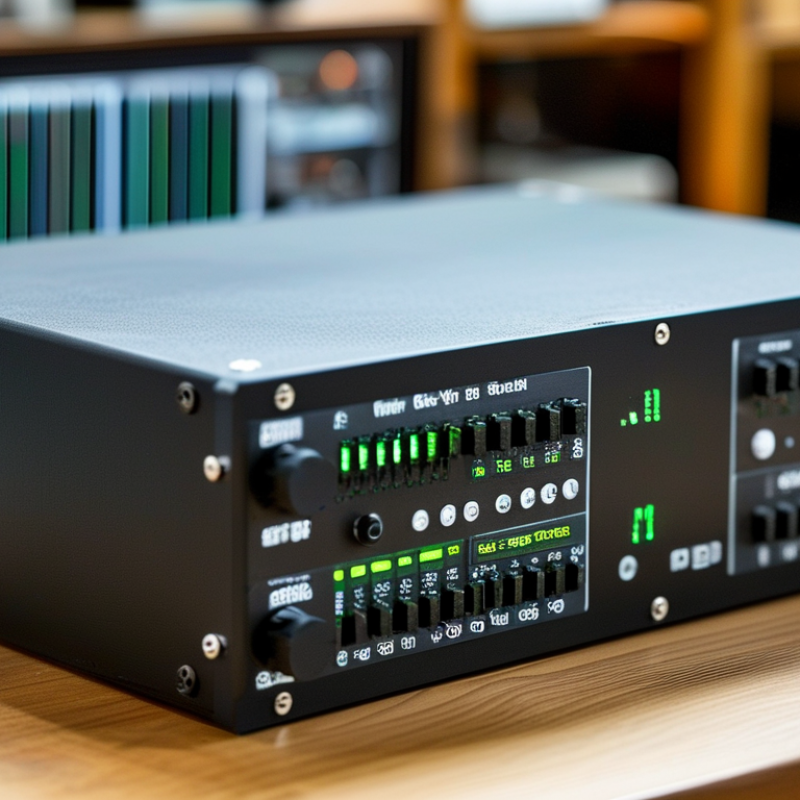
What is an RF Divider and Its Importance in Communication Systems
An Rf Divider is crucial in communication systems. It splits an input signal into multiple outputs. Each output maintains the signal's essential properties. This function is vital for applications such as broadcasting and telemetry. Rf Dividers help distribute signals evenly across different channels, ensuring better coverage and signal quality.
In terms of importance, the Rf Divider impacts system performance significantly. If the divider is subpar, it affects the entire network. Signal integrity can suffer if reflections occur. Thus, selecting areliable Rf Divider is essential. Buyers should consider factors such as frequency range and power rating. These specifications influence performance in real-world applications. Some users may overlook these details, leading to disappointment later.
While there are many options in the market, not all perform equally. Buyers often find it challenging to identify quality products. Inadequate research can lead to poor choices and wasted resources. There's a definite need for careful assessmentin this area. Practical knowledge about Rf Dividers can greatly aid buyers. Understanding the technological aspects enhances decision-making in selecting the right divider.
Key Specifications to Look for in RF Dividers
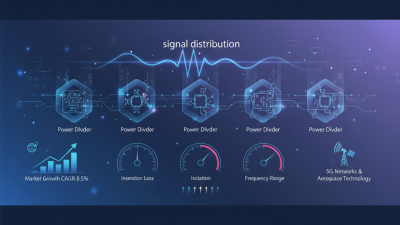
When selecting an Rf Divider, several key specifications must be considered. Power Dividers should effectively split an input signal into multiple outputs while maintaining the desired quality. Look for specifications like frequency range, isolation, and insertion loss. These factors directly impact performance. A wider frequency range allows for versatility in applications, while minimal insertion loss ensures that signal strength remains optimal.
Isolation between outputs is also crucial. High isolation prevents crosstalk, which can degrade signal quality. Consider the operating temperature range for reliability in different environments. Adequate thermal management is essential for maintaining consistent performance during operation.
Another important aspect is the physical form factor. The design must fit within your existing setups without compromising functionality. Space constraints often lead to challenging decisions. Review the mounting options available with the power divider, as well as the connectors, to ensure compatibility. Balancing performance metrics with physical limitations can be a challenge worth reflecting on.
Types of RF Dividers: Passive vs. Active
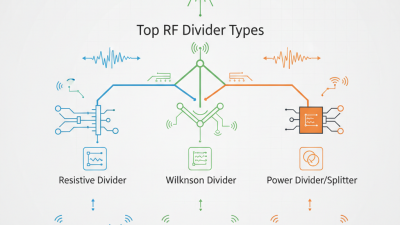
When choosing RF dividers, understanding the difference between passive and active types is crucial. Passive RF dividers are simpler and rely on resistive networks to split signals. They are often more reliable and less costly. However, they may introduce some loss in signal strength. This loss can affect overall system performance, especially in high-frequency applications.
Active RF dividers, on the other hand, use amplification to maintain signal strength. They are ideal when maintaining power level is crucial. However, these devices come with increased complexity and cost. Users must consider the trade-off between performance and budget. Active dividers may also have higher noise figures, impacting signal quality.
While passive dividers are generally robust, they might not suit all applications. Users should evaluate specific needs. Learning from real-world applications can refine your choice. It’s essential to analyze the environment where the RF divider will be used to ensure optimal performance. Each project's requirements vary, prompting careful consideration of both divider types. Each option has its benefits and drawbacks that require thoughtful reflection.
Frequency Range and Power Level Considerations
When selecting an RF divider, frequency range and power level are critical factors. The frequency range determines how well the divider can operate across different applications. RF dividers often work within specific bands. Identifying your needs ensures you select a device that suits your frequency requirements.
Power level is equally important. A divider must handle the input power without distortion. Too much power can lead to damage, while insufficient power can limit your application's effectiveness. Knowing the maximum power level your system will encounter helps to choose the right divider.
It’s also essential to consider the potential limitations of the device. Some dividers may perform well in theory but struggle under real-world conditions. Testing under various scenarios can highlight unexpected issues. This approach ensures that the divider functions as intended in your specific application. Balancing frequency range and power levels will ultimately lead to better performance and reliability.
Factors Influencing Performance: Isolation and Insertion Loss
When choosing an RF divider, considering isolation and insertion loss is essential. Isolation refers to the divider’s ability to prevent interference between output ports. High isolation minimizes signal degradation and crosstalk. In noisy environments, a good isolation can safeguard signal integrity. However, achieving high isolation can sometimes impact other performance metrics, leading to potential trade-offs.
Insertion loss is another crucial parameter. It indicates the amount of signal power lost when entering and exiting the divider. Lower insertion loss is desirable, ensuring efficient signal distribution. Factors like design complexity and materials can influence this loss. While striving for lower insertion loss, manufacturers may face challenges in maintaining overall size and cost efficiency.
Thinking critically about these factors encourages better decision-making. A divider might promise excellent isolation but underperform in insertion loss. Exploring different design approaches can reveal insights. Always factor in the specific requirements of your application, weighing potential compromises as necessary. Understanding these dynamics enhances reliability in RF system performance.
Performance Factors of RF Dividers
Choosing the Right Manufacturer: Reputation and Reliability
Choosing the right manufacturer for RF dividers is crucial for global buyers. With the demand for high-frequency components on the rise, it’s essential to assess manufacturers based on reputation and reliability. A recent market analysis by RFGlobal Insights shows that nearly 70% of buyers prioritize manufacturer history and certification when making purchase decisions. This statistic underscores the significance of selecting a well-regarded manufacturer.
Reputation is built on consistent performance and quality assurance. When engaging with potential manufacturers, buyers should consider their track record. Look for companies that have received industry certifications, such as ISO 9001. This standard indicates a commitment to maintaining high-quality processes. Yet, companies can still be certified and not meet expectations. Regularly sourcing from trusted reviews and testimonials can alleviate this uncertainty.
Reliability in product delivery is another factor. Manufacturers that frequently face delays may indicate poor supply chain management. According to Tech Research Corp, reliability in product availability can impact 40% of buyer satisfaction. A continuous supply of RF dividers is critical, especially in time-sensitive projects. Engaging with manufacturers who provide transparency about their production capabilities can lead to smoother operations.
Cost-Effectiveness and Value for Global Buyers
When selecting an RF divider, cost-effectiveness is crucial. Global buyers often seek products that offer reliable performance without excessive costs. This balance can be tricky. Manufacturers may cut corners to offer lower prices, leading to unreliable equipment. Therefore, scrutiny is necessary.
Consider the materials used in the RF divider. Quality components can elevate the product's durability and effectiveness. Cheaper alternatives may not withstand environmental factors or prolonged use. Buyers should reflect on their specific needs and operating conditions. A product that performs well in one scenario might fail in another.
Emphasizing value alongside cost is important. Analyze warranties and customer service offerings. A lower price might seem attractive, but poor support can lead to higher costs later. Investing in a more reliable product can save money in the long run. Ultimately, buyers must weigh immediate expenses against long-term effectiveness and support.
Enhancing Signal Distribution: An In-Depth Look at the EDF1710-A008931 50Ω 2Way Power Divider for RF Applications
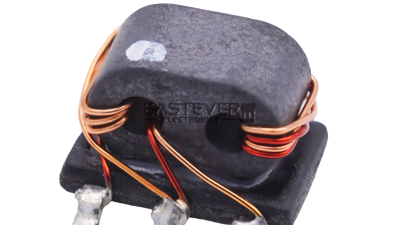
The EDF1710-A008931 50Ω 2-Way Power Divider stands out as a highly dependable component for various RF applications, particularly in enhancing signal distribution. Designed to operate efficiently across a broad temperature spectrum from -40°C to +85°C, this power divider ensures optimal performance even in demanding environments. With a maximum input power of 0.25W and a direct current capacity of 30mA, it effectively accommodates the power requirements typical in numerous applications.
This power divider's versatility makes it an ideal choice for a range of devices including walkie-talkies, car streaming media systems, and wireless microphones. Its robust 50Ω impedance and compliance with RoHS standards further enhance its appeal in modern communication technologies. Whether it’s for broadband and wireless communications or specialized uses such as differential modulators and active mixers, the EDF1710-A008931 demonstrates exceptional reliability and efficiency, providing a solid foundation for the seamless transmission of signals across various platforms.
FAQS
: Frequency range and power level are critical factors to evaluate. These ensure the device suits your application needs.
The frequency range determines how effectively the divider operates in different applications. Each device works within specific bands.
A divider must manage input power effectively. Too much can cause damage, while too little limits application performance.
Some dividers may perform poorly in real-world conditions, despite promising specifications. Testing can reveal unexpected problems.
Isolation refers to the divider’s ability to prevent interference between output ports. High isolation helps maintain signal integrity.
Insertion loss measures the signal power lost when entering and exiting the divider. Low loss is desirable for efficient signal distribution.
Design complexity and materials can increase insertion loss. Balancing these with performance is a challenge for manufacturers.
A manufacturer’s history and certification can indicate their reliability. Certifications like ISO 9001 reflect a commitment to quality.
Unreliable manufacturers can lead to delays, impacting project timelines. Transparency about production capabilities is essential.
Regularly check trusted reviews and testimonials. This practice can help confirm the manufacturer’s credibility and performance.
Conclusion
An RF Divider plays a crucial role in communication systems by splitting input signals into multiple output paths while maintaining signal integrity. Understanding key specifications such as frequency range, power levels, and performance factors like isolation and insertion loss is essential when selecting an RF Divider. Buyers should consider the type of RF Divider, choosing between passive and active types depending on their specific needs.
Moreover, selecting a reliable manufacturer with a strong reputation in the industry is vital for ensuring the quality and performance of the RF Divider. Cost-effectiveness is another significant factor for global buyers who want to balance performance with budgetary constraints. By carefully evaluating these elements, buyers can make informed decisions and find the best RF Divider to meet their communication requirements.

 +86-15916242887
 CONTACT US